On Saturday, September 19, a visit to the city of Mantua is planned. Transportation to and from Mantua will be provided by a private bus. The fee also includes entry to two monuments in Mantua and lunch.
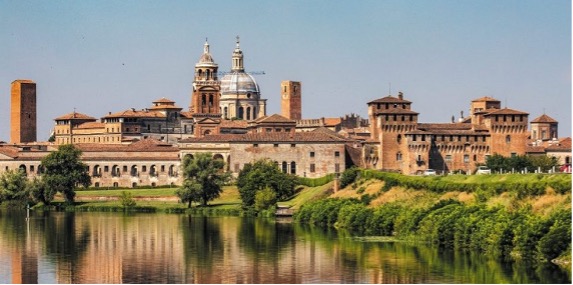
On Saturday, 19 September, the traditional closing excursion of the conference will take place. This year’s destination is Mantua, the birthplace of Publius Vergilius Maro, located just 40 km from Verona.
Probably founded by the Etruscans in the 6th century BCE, Mantua was later inhabited by the Cenomani Gauls before becoming a Roman colony towards the end of the 3rd century BCE (214 BCE). After the fall of the Western Roman Empire, the city experienced successive barbarian invasions until it came under the rule of the House of Canossa, a powerful Lombard feudal dynasty, in the 11th century. Mantua’s most prosperous period, however, began two centuries later, when the Gonzaga family seized power in 1328, inaugurating a rule that lasted until 1707. During these centuries, Mantua developed into one of the foremost cultural centres in Europe, attracting artists such as Andrea Mantegna, Pisanello, and Leon Battista Alberti, all of whom left an enduring mark on the city.
Palazzo Ducale:
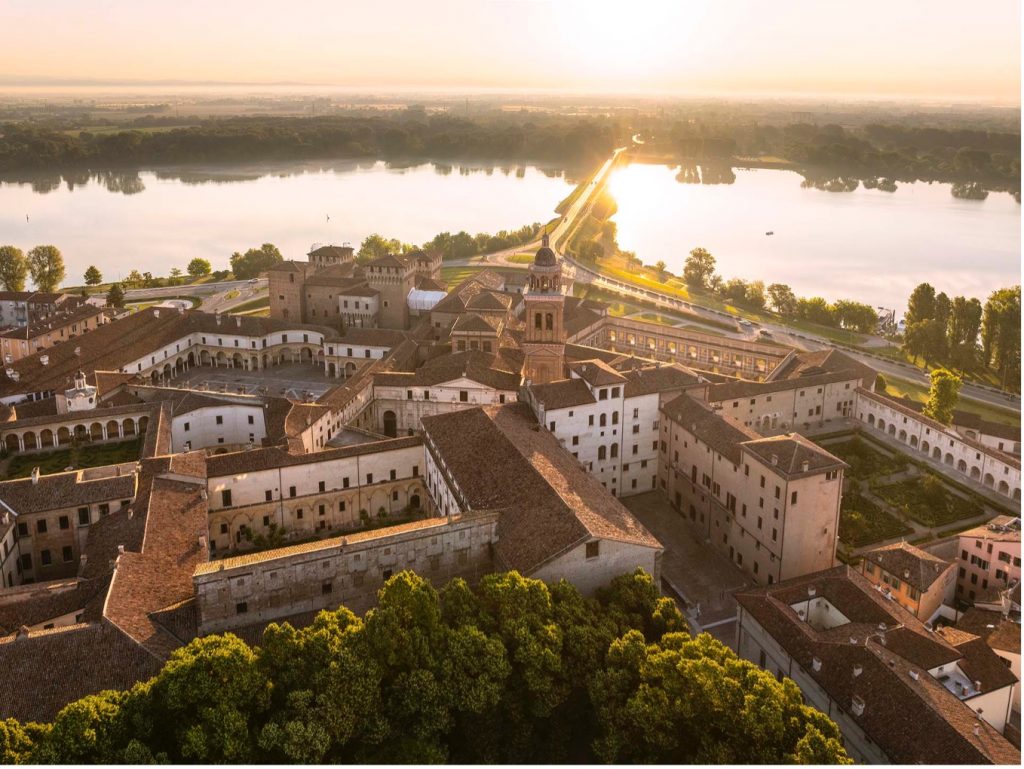
Originally commissioned by the Bonacolsi family at the end of the 13th century, Palazzo Ducale underwent extensive enlargement under the Gonzagas, who made it their principal residence from 1328 to 1707.
Initially consisting of several separate buildings, the complex acquired its present architectural unity during the first half of the 16th century, becoming not only the focal point of the city’s urban fabric but also one of the largest princely residences in Europe.
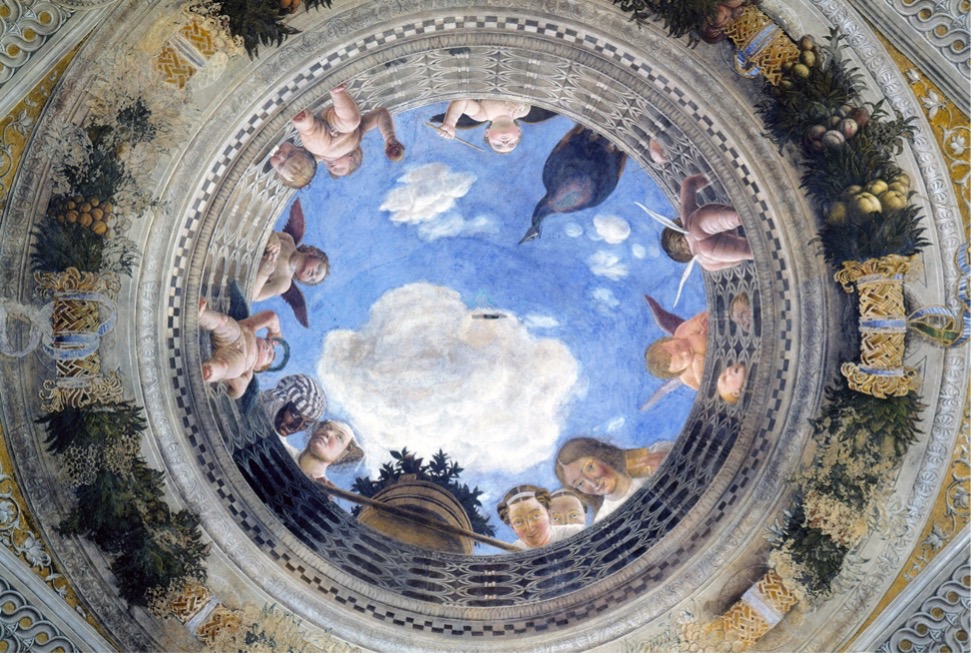
Among the palace’s outstanding artistic treasures, the Camera degli Sposi (Camera Picta) occupies a place of particular importance; decorated with Andrea Mantegna’s celebrated fresco cycle, it stands alongside works by masters such as Rubens and Perugino.
Palazzo Te:
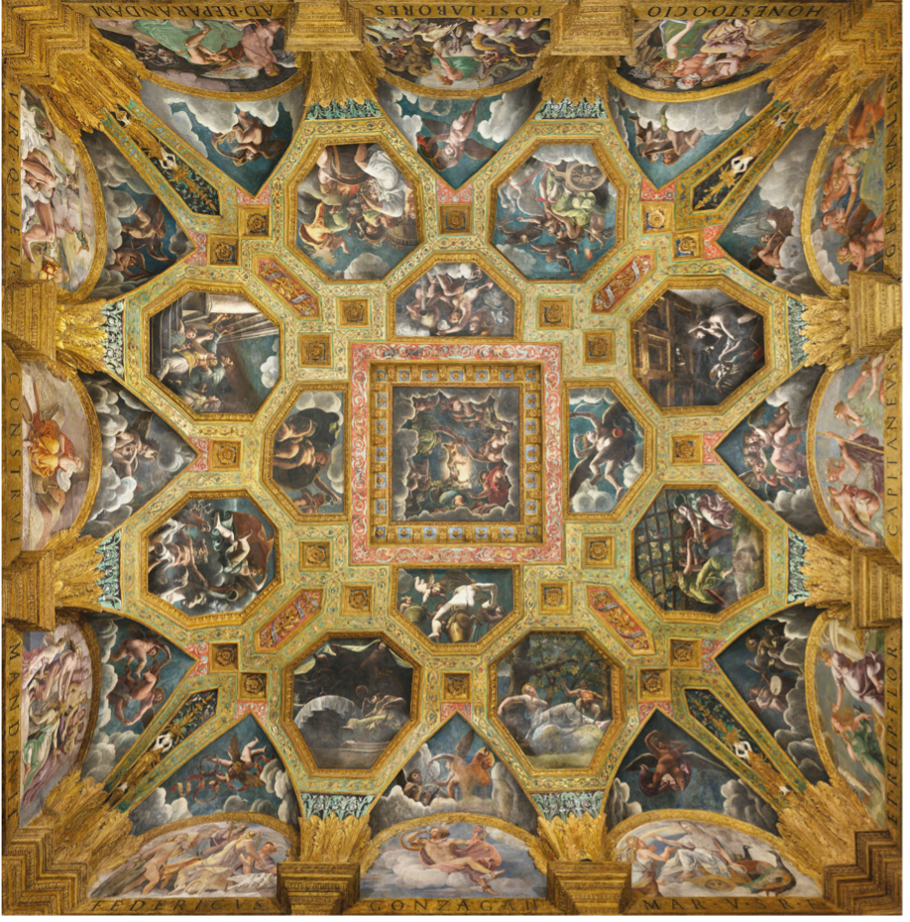
Palazzo Te is one of the finest examples of a suburban Mannerist Renaissance villa. It was commissioned by Federico II Gonzaga and designed by the painter and architect Giulio Romano during the early decades of the sixteenth century as a place devoted to leisure and magnificent courtly entertainments. This purpose is clearly expressed in the inscription running along the frame of the fresco in the Chamber of Cupid and Psyche:
FEDERICVS GONZAGA II […] HONESTO OCIO POST LABORES AD REPARANDAM | VIRT[utem] QVIETI CONSTRVI MANDAVIT
The palace is especially renowned for the lavish decoration of its many rooms, where Giulio Romano combined spectacular frescoes with exquisitely crafted stucco work. Among the masterpieces of Mannerist art preserved here, the most celebrated are the Chamber of Cupid and Psyche and the Chamber of the Giants.
Programme and further information:
19 Semptember 2026
We will travel to Mantua by coach, departing at 8:15 a.m. from Porta Nuova Railway Station, Piazzale XXV Aprile 8. The meeting point is the bus parking area in the square in front of the station, on the left-hand side when facing away from the station.
Programme:
9:30 a.m. – Visit to Palazzo Ducale
12:15 p.m. – Early lunch at a traditional local osteria
2:20 p.m. – Visit to Palazzo Te
4:00 p.m. – Departure for Verona